The Black People Effect: A Magazine of Unapologetic Empowerment, Culture, and Transformation
In a world where stories shape realities, The Black People Effect emerges as a bold, unapologetic magazine dedicated to celebrating the indelible mark of Black people on global culture, history, and innovation. Launched in 2026, this publication isn’t just a magazine—it’s a movement. It’s a space where Black voices lead conversations, where struggles are contextualized, and triumphs are amplified. From the Harlem Renaissance to the rise of Afrofuturism, from the civil rights era to today’s digital age activists, The Black People Effect explores how Black communities have persistently reshaped societies—and why the world can’t afford to ignore their influence.
Reclaiming Narrative: Why This Magazine Matters
For centuries, Black stories have been filtered through lenses of bias, omission, and erasure. The Black People Effect flips the script. Founded by award-winning journalist and cultural critic Lila Thompson, the magazine was born from a simple yet radical premise: "Black people aren’t an anomaly in history—we are its heartbeat." Each issue centers on a core theme—resilience, innovation, heritage, or resistance—curating a mix of investigative journalism, personal essays, art, and interviews to showcase the richness of Black lived experiences.
A standout feature is the “DNA of Influence” series, which unravels the often-overlooked roots of global phenomena in Black culture. Ever wondered how West African storytelling traditions shaped modern podcasts? Or how enslaved Africans’ agricultural expertise laid the groundwork for the Southern U.S. economy? This magazine doesn’t just ask these questions—it answers them with rigor and flair.
Spotlight on Innovation: Beyond Stereotypes
One of the magazine’s defining traits is its refusal to reduce Black excellence to a single narrative of struggle. While it unflinchingly addresses systemic racism and police brutality (through searing op-eds and data-driven reports), it equally highlights visionary Black innovators. A recent issue featured a profile on Dr. Kyndall Carter, a NASA propulsion engineer who helped design Mars rover engines, alongside a spread on Ghana’s fashion renaissance, led by designers like AAKS.
The “Future Is Black” section dives into Afrofuturism, sci-fi, and technology, profiling Black creators reimagining the next century. Take 24-year-old coder Destiny Okoye, who built an AI tool to combat algorithmic bias in hiring. Or author Jamal Adeyemi, whose bestselling novel Nile Rising reimagines a technocratic Egypt. These stories don’t just inspire—they challenge outdated stereotypes of Black passivity or limitation.
Community & Connection: The Human Heartbeat
At its core, The Black People Effect thrives on raw, human storytelling. Columns like “Mama’s Kitchen Wisdom” share recipes and survival strategies passed down through generations, while “Letters to My Ancestors” invites readers to reflect on legacy. The magazine also partners with grassroots organizations, spotlighting everything from Black-owned eco-farm collectives in Alabama to youth mentorship programs in Lagos.
A particularly powerful 2026 issue will be centered on mental health, titled Silence the Shame. It featured candid interviews with activists, teachers, and athletes discussing the emotional toll of racism—and the healing power of community. “We’re not just surviving,” one interviewee said. “We’re creating cultures of care that defy the lies they’ve sold us about Black despair.”
Criticism and Controversy: A Magazine Without Compromise
Not everyone is a fan. Critics have accused The Black People Effect of being “too divisive” or “too woke,” as if centering Black narratives is somehow un-American (or un-global). But for co-founder Thompson, such pushback is expected—and even welcomed.
“We’re not here to confirm your biases,” / “We’re here to disrupt them.” The magazine has also faced accusations of elitism, given its glossy design and $15 cover price, but its team counters that the aesthetic challenges the notion that Black culture is synonymous with “struggle porn.”
To increase accessibility, they launched a free digital platform, Black Effect Amplified, which republishes short essays, poems, and infographics on topics like the Black inventors behind everyday tech or the history of Juneteenth.
The Ripple Effect: What’s Next?
As the magazine expands, it’s experimenting with multimedia—podcasts, documentaries, and a viral TikTok series called Black Facts That Pain. By blending art, analysis, and activism, The Black People Effect aims to do more than tell stories. It wants to ignite action: donate to a Black-owned business, vote in your community, or simply see your own potential reflected in its pages.
“This magazine doesn’t just say ‘Black Lives Matter.’ It shows how they have mattered every single second & day, in every possible way.” - Aliy Menrel
The Black People Effect isn’t just about the past or the present. It’s a blueprint for the future PRINT crafted by those who’ve always been the architects.
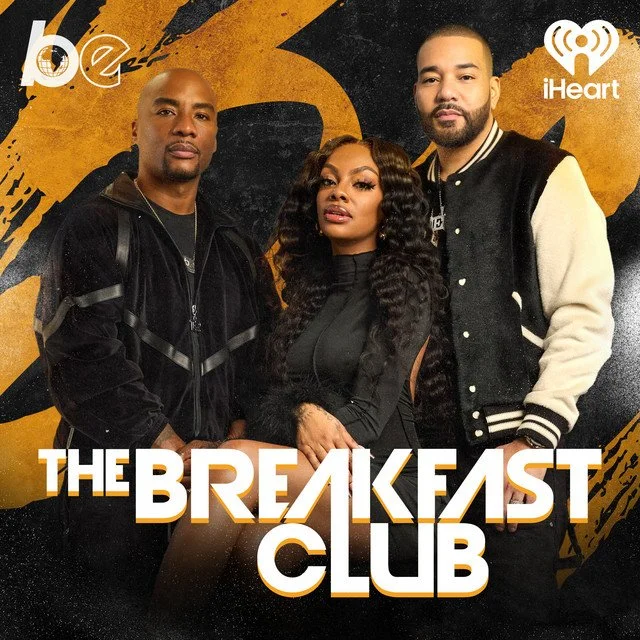
(THIS PROJECT HAS BEEN LOCKED AFTER THE BREAKFAST CLUB HAS WENT TO NETFLIX AND NO LONGER CAN RELEASE ON YOUTUBE)